Tuesday, February 4, 2025

RFK Passes Committee, 14 to 13, To a Full-Senate Hearing to Head the HHS


Photo Credit: CHD.TV

Robert F. Kennedy, Jr. has been confirmed as the Secretary of Health and Human Services in a 14 to 13 vote in committee. He must now face the entire Senate. Passing this hurdle is a relief to those concerned about food and drug safety, and others who say there is a lack of oversight at the CDC and NIH. 

Secretary Kennedy was confirmed in Senate Committee on February 4, following several days of hearings. Senator Crapo, the Chairman of the committee, said, "Mr. Kennedy will have the opportunity to deliver much needed change to our nation's healthcare system. He has spent his career fighting to end America's chronic illness epidemic and has been a leading advocate for healthcare transparency."

Senator Warren was against the confirmation. Her statement reflected her concern of RFK's involvement in suing vaccine manufacturers, believing he is financially benefiting from the activity. The committee chair argued that he was in compliance with all financial disclosures to the senators, and provided more information than required by the committee.

Kennedy's history of litigating environmental polluters and vaccine manufacturers, which have now come to a close at this nomination, have impacted the health of millions of Americans. His effort will focus on making sure the US conducts, "good science," and stops, "the revolving door between the NIH and drug companies." One of his main concerns is that the regulatory agencies are approving the same drugs that they have a financial interest in promoting, creating a conflict of interest.


Monday, August 1, 2022

What are Adjuvants and Why Might They Be Causing the Autism Epidemic?

While most of us know someone who thinks they may have been harmed by a vaccine, we may not believe them... That is until we experience it for ourselves. That is what happened to us. The symptoms were subtle at first. Smiles disappearing, hyper-focusing on words, emotional outbursts, and social withdrawal came on so slowly that it was difficult to determine exactly when they started, or connect them to any one particular thing. That was until the MMR. The dark circles, night terrors, the hours and hours of screaming without any way to console. All that was met with what I now know was gaslighting from my child's doctor. These pediatricians had an agenda, and any question I raised was met with contention and downright coercion. My questions deserved an answer, and my child deserved care, but I got neither. One important question was about adjuvants. An adjuvant is a substance that helps the body find the pathogen so it can create an antibody for it. One of the chemicals in the vaccines is aluminum. Pathogens are expensive, aluminum is not. Vaccine manufacturers use nearly a milligram of aluminum (800 micrograms) in the Pedarix combo vaccine alone, which is only one of the three stabs a 2-month-old is to receive on schedule. The total amount of aluminum injected into a 2-month-old according to the schedule exceeds 1 milligram.
So what? It must be well understood and tested if we are putting it in there, right? This PubMed article says differently...

"Aluminum adjuvants are widely used in human vaccines based on their ability to enhance antibody production. However, the mechanisms underlying these effects remain unknown...(emphasis added) Our findings suggest that aluminum hydroxide directly stimulates monocytes to produce proinflammatory cytokines activating T cells. Activated Th2 cells release IL-4, which in turn can induce an increase in the expression of MHC class II molecules on monocytes."(http://www.ncbi.nlm.nih.gov/pubmed/11160013/)

Could this "unknown" mechanism also cause auto-immune problems or neurologic dysfunction causing some type of developmental delay? Let's look at a study done by the NIH..

Following i.v. injection, ~ 0.001 to 0.01% of the aluminium dose enters each gram of brain and ~ 100-fold more each gram of bone. Brain aluminium uptake across the blood-brain barrier (BBB) may be mediated by Tf-receptor mediated endocytosis (TfR-ME) and a Tf-independent mechanism that may transport aluminium citrate... Regardless of the duration of exposure, the toxicity attributed to aluminium is dependent upon the physiochemical properties (solubility, pH, bioavailability, etc.), type of aluminium preparation, route of administration, and physiological status (presence of renal dysfunction). Following oral exposure, aluminium distributes throughout the organism with accumulation in bone, kidneys and brain being of concern to humans with evidence of renal dysfunction, anemia or neurobehavioural alterations reported after excessive doses... There are no published reports of physiologically based pharmacokinetic (PBPK) modeling of aluminium. A few models have been developed that incorporate the reported results of toxicokinetic studies with aluminium.”(http://www.ncbi.nlm.nih.gov/pmc/articles/PMC2782734/) (emphasis added)

I guess this is basically saying, “we don’t know how this aluminum affects people.” This, of course, is beside the known inflammatory response noted in the previous study.

But wait... there was that one study about infant hydration fluid... This study was published on the American Academy of Pediatrics website in the mid-2000s, approximately 2006, but was then removed from their site because it stated that 500 micrograms of aluminum in hydration fluid administered over a period of 10 days to premature infants showed developmental delay by 18 months of age compared to the control group that was administered hydration fluid without the aluminum. That is less than half of the aluminum a 2-month old infant gets at their checkup. This study was quickly removed from the AAP site when researchers cited it as a possible concern with aluminum-containing vaccines.

The liver, a major detoxification organ, is affected by aluminum as well.

Another complication of parenteral nutrition therapy in infants is cholestatic liver disease, manifested by reduced bile flow, and, occasionally, gallstones. Aluminum has been found to accumulate in the livers of these infants, and there is experimental evidence that aluminum can reduce bile flow both in rats and in piglets. Aluminum contamination of parenteral nutrition solutions puts infants at increased risk for complications of parenteral nutrition therapy; amounts of aluminum in parenteral nutrition solutions should therefore be minimized.” (http://toxnet.nlm.nih.gov/cgi-bin/sis/search/a?dbs+hsdb:@term+@DOCNO+7331) (Emphasis added)

I started this article in 2013, about 10 years ago, when someone on social media suggested that, "anti-vaxxers should be sterilized." I responded with some of this information and asked for reason and respect... "Until you read these studies, and the other multitude of NIH studies about aluminum, formaldehyde, MSG, thimerosal (Flu), and animal and human components found in vaccines, with understanding, I encourage everyone to not offer up parenting advice, ask for law enforcement intervention, or ask these 'anti-vaxxers' to be sterilized. Doing so only shows your ignorance." I dare say that my sentiment has been the same for the last 22 years.

            Read everything, and respond respectfully.

If we've learned anything from recent events, even "expert" researchers and scientists don't know everything. That is why we continue to ask questions.
Another one of those questions is, what is causing the side effects?

We know many drugs cause headaches, but what biological process is causing the headache? Are we causing micro changes in the myelin sheath on the nerve cells in the brain? Are we causing a sharp rise in blood pressure? Is there a receptor disruption, or hormonal imbalance that is caused by the introduction of the drug?

I hypothesize the pathogen, adjuvants, and preservative combo are responsible for some type of brain inflammation, which may be why we see an upturn in autism rates at about 2 years of age. Some others have blamed a complicated process involving inflammation and the use of acetaminophen. Auto-immune reactions similar to PANDAS, which is a disease where antibodies attack the part of the brain responsible for voluntary motion, may also be a factor. If strep can cause a reaction like this, why can't other viruses?

Also, MMR and Varicella are the first vaccines on the schedule to have human components. Is it possible that some people's immune systems make antibodies for these human components, which then start attacking their own human tissue? These questions are not being asked, and the growing evidence is ignored and dismissed as anecdotal. Science best practice aside, there are too many of these stories to ignore. Some doctors are finally stepping up and asking the tough questions, doing their own research and not relying on just the pharmaceutical company's findings.

Don't blindly take anything anyone says about any medication, including vaccines. Your patients deserve at least that. With all due respect for the time and training doctors receive in medical school, they are in fact conditioned by this very education to turn to drugs. I've read too many scientific studies on new drugs hailed as the latest wonder drug while the findings, when carefully understood, were mediocre at best.

Consider also that most hypotheses are designed to highlight a drug's effectiveness. When you chose an outcome that states what you hope to accomplish with the subject, the scientist's bias, which each one of us has, serves to predispose the outcome.

Some researchers take this into account and actually try to disprove the drug's effectiveness. Kudos to you bias blasters!

Unfortunately when bias slips in, and even a small difference between the subject group and the control is found, this product into which resources, energy, and time has been poured, is hailed as a success. The pharmaceutical company has money and time in the drug's production and wants to recoup its cost. No matter how small the success is, the side effects are often minimized, and it's deemed a win.
I'd like to conclude with this plea. Doctors, please treat your patients, not as cattle to be run through the system, but treat them as the individuals they are. Take time to read the studies of that new drug the rep just dropped off. Ask questions about past side effects, allergies, and other exposures. And please, please, check your patients for immunity before telling them they need a booster.

Your patients will thank you for your careful and considerate care, and you will sleep easy knowing that you did your absolute best for each individual.

Wednesday, August 21, 2019


Two years ago today I woke up with my eyes swelled shut. The inflammation in my face had been so bad, the pressure made my eyes bloodshot. We guessed it was our house making me, and some of my kids, very sick. We were right. We didn't want to be right.
I wake today grateful for the journey. I learned so much during our 3 months of homelessness. I learned that God is in control, and He will supply all my needs, according to His plan, not mine. I learned that bitterness only hurts me. I learned that people are flawed, and forgivable. I learned it is ok if they choose to walk away when you need them most, because God will never, ever, leave you.
I also learned that God's help comes through people. I learned to accept help from strangers. I learned what it's like to live in a shelter apartment, to glean fields, and how generous strangers can be. I learned that joyful moments can be had in the midst of intense physical and emotional pain. I learned that prayer is what really helps the most.
I learned what it's like to live in a house I don't own. I learned what it's like to watch your children lose everything, and emerge strong and wise way beyond their years. I learned what it was like to be stared at and talked about by strangers. I learned doctors don't really know a whole lot about certain diseases, unfortunately, but some try really hard, and despite the framework they must dance through, help a great many people. I learned what it's like to have nearly crippling fatigue lift, burning skin inflammation heal, and memory return. I learned what it's like for my kids to fear me dying and leaving them behind, and what it's like to cry out in prayer asking for more time.
Despite these challenges, I miss our old neighborhood terribly. My children learned things there that I wish I had known at their age. They learned that the color of your skin doesn't determine what an awesome friend you can be. They learned that some kids didn't have what they did, and the adults around them worked to make that matter less. I will never regret the journey, because we are forever changed by the people we met there, the strangers who helped us, and the friends and family who stepped in when they saw a need they could fill.
My prayers of thanks for bringing those people into our lives, the healing, the help, the hope, and even the pain, are lifted high today.

Thursday, June 4, 2015

Breastfeeding Music

People are uptight.

About what? You got it, BREASTFEEDING!

All over the place you got people telling us why we shouldn't, why it's disgusting, how long we should, where we should and how we should.

To them I say, CHILL.

Grab your phones, put on some hip music and calm it. Let that babe and mama enjoy their bonding time.

I can even suggest the perfect selection.

Thanks to Meghan Trainor for providing the music and awesomly chill beat that is so so great to parody, and Lori Burke for her smooth lyrics.

Now, don't you feel better?

Saturday, May 16, 2015

Time for an Overhaul


File:D7marines01.jpg
Wikimedia Commons - Public Domain

Out with the old and in with the new!

In the coming weeks I am going to tear down and rebuild this dated looking blog.  It's been 5 years since I started That's What Breasts are For and it is showing it's age. A new banner is in order and so is some updated fonts! Can you believe I am still using Times New Roman!!

I am still finishing up the school year and other family biz, but once I get that done, it will be no holds barred. I can't wait to see what you think. Thank you all for reading and most of all letting me know you like what I am writing. If you'd like to get a glimpse of everything, like me on Facebook.

Friday, May 1, 2015

Surprised by Grief - Pregnancy Loss at 6 Years

This morning I was surprised by the key to the old farmhouse in my sewing-table drawer. As I looked at the address, a flood of regret and grief poured out. I lost my baby there, a baby I would never get to hold this side of heaven.

At first I wanted to stuff the feelings, find a way to ignore them. It's been 6 whole years since we lost our 10 week old pregnancy. Why am I crying? Haven't I got over this?

I ran to the kitchen to make myself some breakfast. Maybe my blood sugar was low. Yes, sure, that must be why I am so weepy.

I stopped myself. No, I will not run to food again for comfort. With my hands on the counter I began to cry out great sobs of unmitigated grief.

It's been 6 years. Six whole years since the bewilderment of an ultrasound tech's silent treatment. Six years since the very difficult task of telling my 4 year old that the baby in my tummy no longer had a beating heart. Six years since burying the discharge that held my little one underneath our redbud tree, the 3-year-old tree I had planted when we moved in to our farmhouse as a 3 year anniversary gift to my husband.

The one that was ripped out of the ground to make room for a barn when the farmhouse was sold. It was the same age as our marriage, and since that time, our marriage has not been the same. Was it the loss of a child? Was it a loss of the family history that the farmhouse held? Was it the ruthless ripping up of the redbud tree?

This story is one of grief, and regret. I am so sorry I sold that little farmhouse and allowed our child's memory to be ripped out of the ground like the roots of our tree. If I could have stopped it from happening I would have.

I tell this story not to cause guilt or point blame. I tell it to fully mourn the loss of our child, and of our marriage. Life's changes, change lives. We are no longer blissfully ignorant of child loss. We now know that the delicate beating heart can stop. We know the sorrow of mourning a child.

To those who share this experience, I hope you find peace and healing. For me, there is healing in the telling. Let's not be silent. Silence tends to sharpen our grief, even the well hidden sorrow.

This Sunday, May 3, 2015, marks the International Bereaved Mother's Day. Acknowledging the loss and sharing your story will let others know they are not alone, and also encourage us all on the road to healing. Click here to go to the Facebook event or
click here to visit the Carly Marie Project Heal website.


All content is copyrighted by Christine Emmick, unless otherwise noted. Follow her on Facebook.

Saturday, February 28, 2015

Vaccines and School Segregation


If you are over 40 years old, you probably remember talk of school segregation and re-integration. There were protests about this including this, now laughable, image. But a comment on a heated vaccine-debate piece written by a doctor had some gold in it.

"I think we should create schools for un-vaccinated children"

This is the first intelligent comment I've read on either side of the debate. I know it was meant to be snarky, but actually it makes a lot of sense. You have a group of kids together who are vaccinated and those who are immuno-compromised can feel safer with them, while those who are sensitive to neurological damage due to the aluminum ajuvant or trace levels of ethyl mercury, or predisposed to auto-immune disease when presented with the human components of the vaccines can safely acquire natural immunity without endangering those who may experience severe complications of the disease.

This solution is certainly not perfect, but it is a viable option. A better option is to actually make vaccines without neurotoxic chemicals and human components, but I'll leave the debating to the "experts."

Copyright 2015 Christine Emmick
Like me on Facebook

Saturday, February 21, 2015

"Just Trust Me, I'm the Expert" Says the Pro-Vac Doc

I recently read an opinion piece on the vaccine debate which reminded me again why I dislike many doctors. This post itself did little to convince me to immunize my kids, and it also gave me even less faith in our medical system.

vaccine debate
Photo: Wikimedia Commons
His premise is that if you don't immunize, he will not see you in his practice. Many doctors are taking this stance, and they have a right to run their practice as they wish, at least until someone sues them for lack of service like some couples are suing for cake toppers and wedding flowers.

What really bothered me was his premise of why he took this harsh stance. It was not of lack of protection of his other patients; it was one of lack of trust in his abilities.

With medical errors being the 3rd leading cause of death in this country, there is no one doctor anyone should put their trust in wholeheartedly. Doctors can, and do make mistakes, to the tune of 1,000 to 1,200 deaths per day with as many as a half million deaths attributed to preventable medical errors every year.

Your medical care should always be a partnership between you and your doctor. Any doctor that insists that his expertise supersedes your intuition is ignorant at best, and at worst, deadly.

Far from a relationship with your local florist, a doctor's changing vaccine policy can clash with a parent's personal beliefs at great cost. It's not like you can walk down the street to a new doctor for a second MRI like you can walk to the next baker to order a 3-tier cake. A doctor has access to important medical records and test results which can paint a clearer picture of the matters of life and health. Giving up on a patient after they are established in the practice is like ripping out the roots of their healthcare.

The doctor's stance on vaccines and his position of perceived infallibility actually bring about the very thing he is hoping to avoid...a lack of trust.

  I think John Quiñones of What Would You Do? said it best when he said, "People deserve to be served regardless of personal beliefs."

Copyright 2015 Christine Emmick
Like me on Facebook

Friday, September 5, 2014

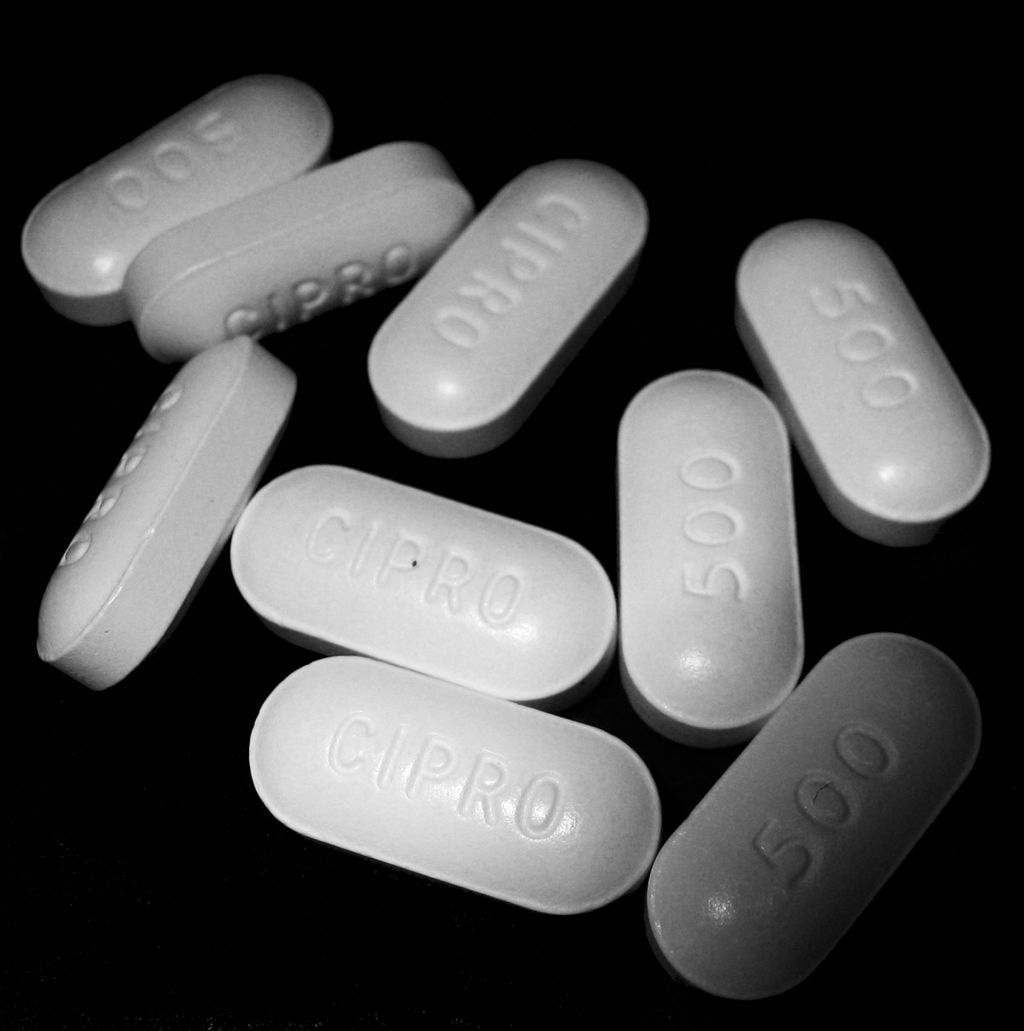
Cipro and Autism - A question that begs an answer...

In the year 2000 my daughter was in my womb, comfortably waiting to be born. It was my first pregnancy and I was extra careful, because it had taken three years to successfully conceive.

When I developed a severe chest cold in late winter in 2001, my doctor said that I needed some type of antibiotics. Cipro was category C, "but" I was late in pregnancy "and" I was allergic to so many kinds of antibiotics. I had taken the drug several times in my twenties and seemed to have no adverse health effects. I assumed since I wasn't allergic to it, it was fine.

My daughter has Aspergers, which is a form of autism.

It was not discovered right away. She taught herself how to read at 2 and a half and was reading novels by 5. We just thought she was gifted, and sensitive.

As the years passed, she was not maturing socially. She was easily overwhelmed. She was extra particular about where things went. She would fly off in a rage and tear things off the walls. Two days ago she screamed for 20 minutes because she could not find a particular pencil.

Cipro is a fluoroquinolone.

The FDA ordered a warning to be added to this class of drugs due to increasing reports of serious side effects, including liver diseasedepression, retinal detachmentkidney disease and neuropathy. It had already had a warning about increased risk of tendon rupture.

In 2004 my Achilles tendon ruptured while walking across a busy intersection. I did not associate this with Cipro use at that time, however in 2012 I was prescribed Cipro for a urinary tract infection. For a month afterward I struggled with thoughts of suicide. I did some research and found the connection.

Given that the brain is part of the nervous system, that fluoride is part of the Cipro makeup, and that fluoride is attributed by some to cause neurological damage I pose this question:

Is it possible that the use of fluoroquinolone drug during pregnancy may result in an increased risk of autism in the child?

Monday, May 6, 2013

Monday Madness - Udder Covers and Lactophobia

Instead of the Friday Funny that most sites have, I figured we could use a little humor on Monday to start the week off right. A pro-breastfeeding friend of mine posted this on my Facebook page recently:

cow covers while breastfeeding
 Found on this site, it highlights the need for us moms to resist covering up due to other's shaming us. After all, we are simply feeding our children the best possible food in the most natural of circumstances. Why should we be ashamed of that? This, coupled with the fact that most babies resist being covered in a hot sweaty blanket while they eat, means that not only should we be daring for society's sake, we should also be daring for our child's sake as well.

In many parts of the US, women find it nearly impossible to nurse in public (NIP) without awkward glances or even rude comments. If you are ever asked to stop, speak up. The law is on your side. If you need to call in reinforcements, Human Milk 4 Human Babies is a great place to start. The global community helps organize nurse-ins and can direct you to a licensed lactation consultant in your area to help with breastfeeding issues. They are truly passionate about changing the tide of misinformation.

Moms, until the day when babes can eat without criticism, keep on smiling at those ignorant glances. Our kids are worth it!

For more information, check out this awesome article on lactophobia by Ilithyia Inspired.

Friday, February 22, 2013

Pediatricians and Policy - A Vaccine Story - Part 2 of 2


This is my experience on the journey of vaccine safety. To read more about why we've chosen to delay some vaccines and not give others, "like" me on Facebook, Christine Emmick - Freelance Writer.

Read A Vaccine Story Part 1 of 2

When we found out we were pregnant with our fourth, we were not only more prepared, we were more educated. We asked all the right questions and found a pediatrician that would honor our wishes as parents, or so we thought. We went and discussed our beliefs with two of the pediatricians prior to the birth of #4 and felt confident that we had found the group for our family.

Photo Credit: NathanF, No Endorsement Implied
The tune changed at her two month appointment. We were scheduled with a nurse practitioner who was not aware of the previous discussions with the other two doctors. When presented with the idea of selecting one vaccine instead of all four (including 7 different pathogens) she was visibly angry. Notating the previous discussions, I asked her which vaccine was the most important to get first.

Shaking with intensity, she responded, “In my opinion they are ALL important!” I was shocked and a little humored that a medical professional of her rank was so thrown by my question. She continued to assert that they were safe and if I was concerned about mercury, I needn't be. In a rush, she left the room and returned with a data sheet of how much mercury was in each shot.

After I looked at the chart for a minute, I noticed there were differences in the amount of mercury per brand. I exclaimed, “This DTaP has three TIMES more mercury than the Pediarix!” She threw her hands up and left the room, for what seemed like an eternity.

When she finally returned, I described to her a severe allergic reaction my brother had when getting the DTaP shot back in the late 70s, and then I calmly posed this question: “If we give her all four of these and she has an allergic reaction, how do we know which one caused it?”

Defeated and visibly angry, she said, “We don’t.”

She again urged me to get all of them. I was intentionally evasive because I had no intention of getting all of them that day. Since my older child was there getting some stitches removed, she asked me to send her in while I thought about it. We ended up leaving the office without any vaccines that day.

What was scarily ironic was that my daughter had only gained 2 ounces in 2 weeks and she never batted an eye at her weight. She was so upset that I was not “on board” with the shot schedule, she completely ignored a possible serious health problem.

In her effort to protect the herd immunity, she unintentionally neglected the health of her patient.

The staff never scheduled us to see her again. I'm guessing it was her choice. I would have been happy to have the conversation with her about the benefits of immunizations again. I'm guessing she was not up for the questions I would throw at her.

Despite this rocky start, we spent nearly 3 happy, well cared for years at this pediatrician’s office visiting only one doctor in the group. He listened to my concerns, and answered all of my questions in a thoughtful, kind manner. More than that, he respected my intelligence, and my decisions regarding my children’s healthcare, even if he didn't agree with all of them.

We've moved, so that beloved pediatrician is now over an hour from us. We are seeing a new one for the kid’s yearly checkups next month. I am praying that she will be as awesome as my last one. ;)

Coincidentally, or maybe not so, my oldest daughter who was the only one to receive her two month old shots on schedule, is the only one of my children who shows signs of Asperger's. I will always wonder if her life would be different had I not caved to the doctor's bullying that day.


If this article helps you in any way, please comment here, or like me on Facebook and comment there. Feedback, and your donations, keep That’s What Breasts are For running. Thanks for your gift!

Friday, February 15, 2013

Pediatricians and Policy - A Vaccine Story - Part 1 of 2

This is my experience on the journey of vaccine safety. To read more about why we've chosen to delay some vaccines and not give others, "like" me on Facebook, Christine Emmick - Freelance Writer.

By the time my first child was two months old in 2001, I had read enough about the vaccine debate to question the full schedule the Department of Heath recommended. I walked in to the office fully expecting to have an intelligent discussion with the pediatrician about why they were necessary and what the risks and benefits were. Instead I received a short, rather stern answer to my concerns.

"If you don't go by the schedule, you can't be a patient here."

Photo Credit: NathanF, No Endorsement Implied
Reluctantly, I caved to the bullying and signed the consent forms for all the immunizations. What happened next was nothing less than a tragedy.

As my 2 month old baby lay screaming, the nurse came in with her handful of 4 shots. Working quickly, the nurse injected one in each leg, and one in each tiny arm of my 2 month old, leaving bleeding track marks due to the abruptness of her manner.

As she was doing it, I asked her why she was injecting into her arm. She said, "that's how we do it." I left in tears wishing I never set foot into that office. I never went back again.

We then switched to a family care doctor who was more amiable to the discussion of vaccine safety, but she still asserted that following the schedule was best. After breastfeeding issues with our second child proved too much for the office to handle, we decided we needed a pediatrician to follow our children's health.

This brought us to our town's breastfeeding experts, but it also brought us to another vaccine dilemma. Although this office was slightly more amiable, they were not willing to delay any vaccine in the schedule any longer than two weeks. When we told them we’d like to spread them out further, I was told again that we needed to follow the schedule.

With the delivery of my third child only a month away, I got a letter saying that my children were no longer welcome at their office.

Out of desperation  we decided to go with the pediatrician that served us in the hospital. They seemed to care about our need for close monitoring of our newborns due to breastfeeding issues, and when asked about immunizations they simply said, “We’d like you to get them.”

We found out differently when we requested a delayed schedule. After our request to have only one new vaccine at a time was granted, we got “behind” and were given a warning. It was gentler this time, but no less threatening. “I don’t want to do this, but if you don’t get them caught up you won’t be able to bring them here.” By now we knew this meant we were soon to get a letter, and we’d need to find another doctor for our children.

Read A Vaccine Story Part 2 of 2

If this article helps you in any way, please comment here, or like me on Facebook and comment there. Feedback, and your donations, keep That’s What Breasts are For running. Thanks for your gift!

Monday, February 11, 2013

BabyBjorn Potty Seat...A Mom's Review

After going through the potty learning process with 4 kiddos, I've got a handle on it. Wipe, Flush, Wash is easy to say, tough to get down pat. This is my 3rd potty seat. My first was a gift, handmade from wood with a slide-in insert that was a huge pain to remove without smearing you know what everywhere. It was pretty, but not practical. The second was a cute little Fisherprice one with a fancy electric sound of flushing when you pressed the "silver" handle. The silver quickly wore off and all the cracks and crevices were impossible to clean.

When bubs #4 was ready, I was looking for a new seat. One that was portable, easy to use, and most importantly, easy to clean. With all those small parts and tight corners, some potties really lose their shine after a while, both figuratively and literally.

After some research, I decided to purchase this one
 available on byebyebaby.com (no affiliation). I can honestly say that it is the only potty I love. :) Simple, portable design, bright, fun colors, and a comfortable, easy-to-clean seat certainly do make this the best potty EVER! The BabyBjorn is easy to clean, and its contoured seat is the most comfortable I've seen. (Honestly, getting a potty learner to sit on something with a hole in the bottom is hard enough, why make the seat uncomfortable?) The side handles help them to "aim" their behind better, the insert easily lifts out for dumping and detailed cleaning, and there are no corners, anywhere, for dirt to hide in. It's made of extremely durable plastic AND has a non-skid base on the bottom so it doesn't slip when your kiddo sits down.

One word of caution: Although it is difficult for the insert to be placed incorrectly in the base, it is possible. When this happens your little one's bum may get pinched. This has only happened once in our 2 years of using this potty. Generally, it falls into place easily.

Tuesday, October 23, 2012

Bottlefeeding vs. Breastfeeding: My Formula for Success

Gabriel Joseph de Froment, Baron de Castille (1747 - 1826) and his wife Princess Hermine Aline Dorothée de Rohan (1785 - 1843) with their family - French School - 19th Century

When it comes to formula feeding vs. breastfeeding, we moms tend to take a very divisive stance on the issue. As someone with IGT and someone who is a lactavist at heart I truly see both sides of this story.
Last month, Mayor Bloomberg went a step farther and said that formula needs to be under lock and key. Formula is not a controlled substance and some moms thought that this step vilified their feeding choice.
My mother had insufficient supply in the 70s and my 2 month old brother was severely malnourished. Three of her sisters have had breast cancer and two of them died from the disease. Something is wrong, genetically, in my family with regards to breastfeeding. My grandmother did not breastfeed due to the strong marketing of formula in the 40s and 50s, plus her native ancestors passed down the knowledge of babies starving because of lack of supply. Then, there was a tribe to meet the needs of those mothers, they shared so the baby did not starve to death. That is how they survived without the formula. Our industrialized society is also partly to blame. There are endocrine disturbing chemicals by the tons that did not exist 200 years ago. Lack of supply is very VERY real.
Although I was determined to beat the odds of my genes, I did not. I have 4 daughters and I had to supplement every one. With each one I gained knowledge and understanding, and milk. I supplemented with a bottle with #1, with a syringe with #2 and an SNS with #3 and #4. With the first I was only able to pump out drops, and even then they barely left my nipple let alone broke enough surface tension to get through the pumpworks and into the storage bottle. The second I became better acquainted with how my body worked and I was able to hand express about 1/4 oz out of each side. By #4 I jumped for joy when I got to the 1 1/2 oz mark!!!
I used formula, but I hated it! I knew it was creating an imbalance in their gut flora and that the stuff curdles within 24 hours. I searched and found a donor mom for #4 and her milk sustained my babe for 5 months, until which time she decided she was staying home with her baby and would no longer pump.
I was beaten down by my pediatrician for choosing donor milk over formula. He handed me a can the company provided to him and with tears in my eyes I took it. Then, probably because I was using the SNS, I got a horrible case of nipple thrush.
I hate formula, but in my case it was needed. Had there been a better network of donors available and a system that my pediatrician would have encouraged instead of degraded, then things would have been different. Change does need to come, and Bloomberg’s is a step in the right direction… and this is coming from a 4 time low supply mama.

I pray that a more supportive network happens and that formula, which really isn't best, is replaced by the real thing. Research, such as this gut study and this milk protein study both point to type 2 diabetes risk of formula feeding and benefit of breastfeeding. And this study links early gluten based solids to type 1 diabetes!
Breastfeeding needs to be the standard. Let's work to this goal instead of wasting time blaming each other for making choices that, at the time, were the best choices we had available. 

Monday, September 10, 2012

Nestle BIG GMO Flub!

Recently a Nestle CEO said that Us and Canadian customers were demanding GMOs in their products. Someone on CARE2 took it upon themselves to have a petition signed to make the government label GMOs on our packaging, but I wanted to take a different approach. So I decided to contact the company.

Searching the Nestle site I obediently clicked the "Contact Us" page which is where all good little consumers go to tell companies how they feel. I submitted all my information and pressed "submit" and got this message:

"Sorry this service is temporarily disabled.
Please try later and in the meanwhile, enjoy visiting this website."

Very Nice of you Nestle.

So instead of taking that lying down, I did a little research (cause that's how I roll :) and found out that Dr. Werner J. Bauer is the head of R&D and Nestle :

(http://www.nestle.com/AboutUs/Management/ExecutiveCommittee/Pages/CVDetails.aspx?Name=WernerBauer&PL=Executive%20Board%20-%20Werner%20J.%20Bauer)  

He is also on the board of Bertelsmann Stiftung:

(http://www.bertelsmann-stiftung.de/cps/rde/xchg/SID-9EB59183-797919E5/bst_engl/hs.xsl/9914_10186.htm)

So instead of contacting him through Nestle, I contacted him here:

http://www.bertelsmann-stiftung.de/cps/rde/xchg/SID-F31C6822-F4827669/bst_engl/hs.xsl/kontakt.htm

I put "Dr. Werner J. Bauer - R&D Proposal.." in the subject line and said:

As a US consumer, I will no longer buy any product that has the Nestle label because of your stance on exporting GMOs to our country. I will research what other brands you own and boycott them as well. Step up and label foods that contain GMOs, or make all your products GMO free for all of your markets.

If you care about GMO labeling, or you care about the health of the future generation, contact Dr. Bauer and educate him on what US consumers want. It certainly ISN'T GMOS!

Bertelsmann Stiftung | Contact
www.bertelsmann-stiftung.de
Fundación BertelsmannPg. de Picasso, 16, baixos08003 BarcelonaSpain
Tel.: +34(93)268-7444
Fax: +34(93)268-7173
fundacionbertelsmann.org


Saturday, August 4, 2012

The POX BOX


Many of today's parents are horrified when they hear stories of mothers taking their children to "pox parties" which are designed to expose their children to chicken pox and gain immunity naturally. Many people are up in arms slinging around words like "child abuse" and "irresponsible." As a child in the 70s, I remember most mothers doing just that when one of the kids got sick with the chicken pox. No one threatened to take their children away. it was just accepted as a way to get the disease over with.

The vaccines for these childhood diseases seemed like such a good idea, especially in the late 80s when moms started to get back in the workforce. It was no longer feasible to keep a kid home with a parent if it meant missing a week of work. Now that no one was home we needed a better way to "deal with the problem" and modern medicine delivered.

Smoke and Mirrors


But what they delivered was not exactly what we bargained for. As the list of convenience vaccines increased, the schedule became overwhelming. Was it really OK to give a child 5 shots at two months of age? To answer this question, big pharma started combining the vaccines. They also increased the amount of chemicals in them so that the body could race to get rid of the chemicals, thus finding the tiny amount of expensive pathogen. This made them cheaper to manufacture, and people got less sticks. Problem solved, Right?

Well, not so much. Chicken pox and MMR both, depending on the manufacturer, have human components, which are injected into your child's body with the pathogen. They also contain preservatives and adjuvants, like aluminum, which is toxic to the brain. It was discovered by the AAP to cause developmental delay in premature infants who were given 500 microrgrams over a 10 day period. The Pediarix brand vaccine contains 800 micrograms in one dose.

An adjuvant is something that stimulates the immune system to say, "hey, get this crap the heck out of here before it gets to the brain!" These adjuvants hyper-stimulate the immune system so that it finds the pathogen. The human components are thought to be inert particles used as a growing medium for the pathogens. Those shouldn't be an issue, right?

Putting It All Together


Wrong again. When I was writing for readytoquit.com, I came across some information about the nicotine vaccine. This vaccine was comprised of a pathogen and nicotine,The vaccine was extremely successful in the first three stages of trials. When injected, the test subjects created antibodies for the nicotine molecule,  When the antibody attached to the nicotine molecule it was too large to pass the blood brain barrier. Consequently, when they smoked they had no "ahhh" feeling anymore and and as a result many stopped smoking.

Reading this literature shocked me. Aside from my questions about what would happen if these people who had been injected with the vaccine would become allergic to the foods that contain nicotine, such as eggplant, peppers and tomatoes, I had other concerns. I was bringing it to my situation where my kiddos were getting injected with egg components and human tissues. To me, it was not a far stretch to assume that my child's body would create antibodies for these egg and human components as well as the pathogens.

We are seeing a dramatic rise in Autism, and if you've read anything about PANDAS you know that antibodies can attack brain tissue, so the question if these things cause autisim is still very much up in the air, at least in my opinion. We are also seeing a dramatic rise in other autoimmune diseases such as alopecia areata, lupus, and MS.

What Time Is It?


The complications of the diseases of Measles, Mumps, Rubella, and Chicken Pox are indeed rare. Almost everyone in the 50s and 60s got these diseases and nearly all lived through them. According to the CDC, those most likely to experience those complications are those with compromised immune systems. So why aren't we just vaccinating these groups instead of the whole population?

To me we are doing way more harm than good trying to vaccinate the entire population in effort to eliminate the disease. If we've learned anything from the flu virus it is that viruses mutate. To chase them away by trying to vaccinate for everything is like trying to keep a colander from leaking. If convenience is the main reason we get these shots for our kids, are we counting how many total hours spent on behavioral therapy?


So to get rid of these troublesome, work interrupting, childhood illnesses, we went a step beyond "dangerous" illnesses, like diphtheria, and started vaxing for everything, including diarrhea. It just doesn't make sense to vax for a fairly mild childhood illness when doing so could cause lifelong debilitation. Besides the possible neurological effects, the varicella vaccine is a risk factor for shingles later in life, which is why moms are deciding against the vaccine, and choosing to get their child's immunity naturally.

It's Party Time!


I'm not sure I'll ever have my children attend a pox party, but knowing what I know now about how immunizations work, I am not going to inject my children with human components. To me that is just setting them up for an auto-immune disease later. If my unvaxed child gets to the age where it becomes evident that she hasn't gained immunity, I'll get her titered for varicella and decide what to do then.

Friday, August 3, 2012

Why I (STILL!?!?) Breastfeed My Two-Year-Old

Many people express shock and sometimes even horror when they learn that I still breastfeed my 2 1/2 year old. However there are several important reasons why, despite their discomfort, I will continue until she is ready to wean. Here are just a few:


She's not biologically ready to be weaned.


At the age of two, a child has usually just gotten their 2 year molars and is just starting to be able to chew foods correctly. It can take a year or more for them to master chewing their food well enough to digest it fully. When we use cows milk we are merely using a substitute nutritional source for breast milk.

Dairy products are far from an ideal substitute, especially since large scale dairy farming has limited our access to fresh unpasteurized milk that is full of infection fighting enzymes and antibodies. Johne's disease, which is rampant in most cattle herds, has been correlated with Crohne's disease in humans. "BOTH Johne’s in cattle and Crohn’s in humans are increasing worldwide in all industrialized countries." (http://www.johnes.org/handouts/files/Feedstuffs_9-19-05.pdf) Medical testing for MAP organisms, organisms that are disease causing in cattle that are correlated with Johne's disease, was found in 50% of those with Crohn's disease in one Florida study. "One study, conducted by the Marshfield Clinic in Marshfield, Wis., found viable MAP organisms in samples of pasteurized retail milk in California, Minnesota and Wisconsin." If you add to this the hormones given to the herds to increase milk production, knowing that these same hormones DO end up in the milk, there is plenty of reason to avoid weaning a 12 month old onto cows milk.

The WHO suggests that 7 is a better upper limit than the current 1 year that many American pediatricians push. There are many factors in when this happens, including the temperament of the child, the age in which the adult teeth start to emerge, and whether or not mom's milk supply is able to be sustained. Certainly none of this should be due to societal pressures to quit, but sadly there is a tremendous burden that is placed on moms to stop before their child is ready, especially in the American culture.

The World Health Organization says to.


The World Health Organization has taken a global liking to the breastfeeding movement, not just because they represent less developed cultures, but because they know it is good for babies. The WHO recommends that babies be fed nothing but breast milk til 6 months of age and then continued breastfeeding up to and including 2 years of age, "or beyond." They also assert that breastfeeding is, "the normal way of providing young infants with the nutrients they need for healthy growth and development." These recommendations are echoed by the AAP and other health organizations as well. 

Both of us enjoy it.


The bonding that happens during the breastfeeding relationship is irreplaceable. The skin to skin contact, the mutual trust, and the mutual respect that are developed during the course of extended breastfeeding encourage social development that must happen in other ways when the breastfeeding relationship is severed pre-maturely.

It also is not what some outsiders, often male, make of the relationship. While breast stimulation during sexual arousal is both pleasurable and erotic, breastfeeding is pleasurable (sometimes) but is not erotic for most people. Think of the time when your toddler said, "I love you" for the first time. That "awww" feeling is the same feeling we moms get when we are meeting the needs of our children in this special way.

It teaches personal boundaries.


Speaking of social development, being this close to your toddler several times a day can teach boundaries of appropriate behavior much more easily and with less casualties. For instance I can teach my toddler not to pinch or bite, and I don't have to apologize to any other moms for my daughter assaulting their child. She is learning physical boundaries with me instead of her playmates fingers. She also learns about others needs. When she's nursing and the phone rings, or one of the other children need something, or I have to go to the bathroom, she learns that sometimes other people have needs too.


It is what my breasts were designed to do.


Anytime you look into breast cancer statistics, you'll find that women who breastfed for a longer period of time are less likely to get breast cancer. I believe this is because once the hormones of pregnancy have stimulated the breast tissue to produce milk, that milk needs to go somewhere. Otherwise the body must reabsorb the fluid and hormone levels drop even more severely postpartum. Not breastfeeding can literally cause postpartum depression.

Also, breastfeeding for extended periods of time are linked with a decreased risk of many types of cancer. Many cancers are linked with estrogen, one female hormone, and estrogen is literally neutralized by the act of breastfeeding. A pool of 47 studies found that breastfeeding for 1 year during a woman's lifetime has a small reduction in breast cancer risk, while breastfeeding for 2 or more years can have up to a 25 percent lower risk. The risk of other cancers, such as ovarian and uterine cancers, are also lowered as well. Extended breastfeeding is linked to lower rates of childhood cancer as well. So both bubs and boobs benefit.

It helps protect her against infection.


The NIH says it like this:

"Breastfeeding is superior to infant formula feeding because in addition to breastmilk's nutritional advantages, it protects against infections through specific and non-specific immune factors and has long-term consequences for metabolism and disease later in life" 

These immune factors are known to increase as the child grows into young toddler hood. This makes sense because that is when the little one is starting to play with other children and explore more of their world. 


As a personal anecdote, when my baby was 13 months old a very nasty strain of the flu went through our house. Everyone of the other family members had high 102 to 104 degree fevers for anywhere from 2 to 3 days. My little one did not get so much as a sniffle. You can say that is just a coincidence until you learn that there are 5 other people in the house, and all were sick at nearly the same time, that is except for my happy nursling. Had I quit when she was 12 months like some people encouraged me to do, she would not have had the rush of antibodies from my milk to keep her from getting sick.


It helps with cognitive development.


The brain building nutrients don't magically stop at the 12 month mark, and brain development doesn't stop then either. So why then are we encouraged to believe the brain building benefits stop then? Massive changes occur in the the brain during the first two years of life. Even though those changes are a bit slower in the second year, doesn't mean they slow to a point where the natural, bio-available DHA and ARA have no effect. Science has yet to discover every benefit breast milk has on cognitive development. Why stop?
.

It lets her know her needs are important.


The main reason I "still" breastfeed my 2 1/2 year old is it lets her know her needs are important to me. While some may balk at her so called "dependence," the security that comes from knowing that her comfort needs are met enables her to know that the world is a safe place. It lets her know that mommy is there for her, which enables her to take on new situations. She is sure that when she gets hurt, mama will be right there to comfort her, with the boob if necessary.


So I'll keep going until she is ready, no matter what anyone thinks. I already see the tide is slowly turning and we will be done soon. During this trip to the pool she announced, "NO BOOB SNACK AT THE POOL MAMA!" This was totally unprompted. I guess letting them find their own way really does work. :)


Pages